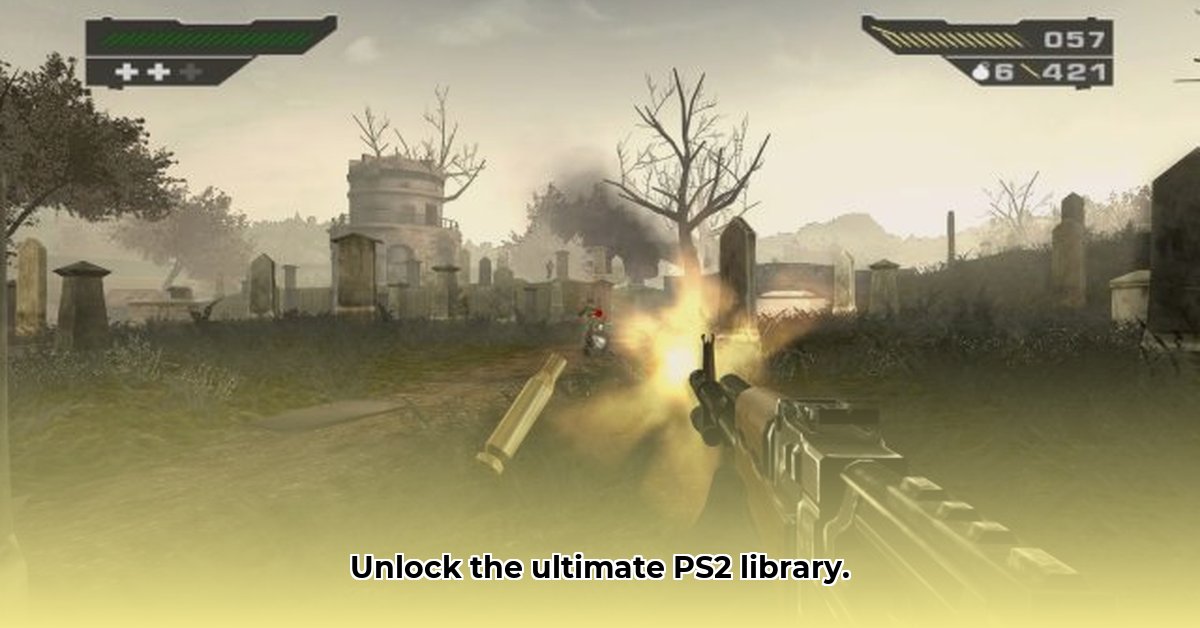
ROMs PS2 Black: Navigating the Murky Waters of Retro Gaming Downloads
The PlayStation 2 classic Black continues to captivate gamers years after its release. However, the ease of accessing its ROM (Read-Only Memory; a digital copy of the game) via numerous online sources presents a complex legal and ethical dilemma. This guide explores the accessibility of Black PS2 ROMs, the legal ramifications, stakeholder perspectives, and the broader implications for the gaming industry and the preservation of gaming history. We aim to provide a clear, balanced perspective, empowering readers to make informed choices.
The Alluring Simplicity of Accessing Black ROMs
Finding Black PS2 ROMs online is remarkably straightforward. A simple internet search reveals numerous websites openly offering downloads, often with user-friendly interfaces and clear instructions. This ease of access, however, masks significant legal and ethical concerns surrounding copyright infringement and the future of game development. Why is this so easy, and what are the consequences?
The Legal Minefield of ROM Distribution
Downloading and distributing copyrighted material, including Black PS2 ROMs, constitutes copyright infringement, a violation of Atari's intellectual property rights. The potential penalties are severe, ranging from substantial fines to legal action. Utilizing VPNs (Virtual Private Networks) or other methods to mask online activity might complicate tracking, but it doesn't alter the illegality of downloading copyrighted material without permission. This deliberate circumvention of copyright laws raises critical questions about the responsibility of both distributors and consumers. How seriously is copyright infringement taken in the context of ROM distribution?
Stakeholder Perspectives: A Tripartite Analysis
The Black ROM situation involves several key players with differing perspectives and short- and long-term strategies:
| Stakeholder | Short-Term Goals | Long-Term Goals |
|---|---|---|
| Atari (Copyright Holder) | Removing infringing content; pursuing legal action against infringers. | Developing robust digital distribution for legacy titles; advocating for enhanced copyright protection. |
| ROM Website Operators | Maintaining website traffic and user engagement. | Diversifying content offerings; exploring monetization strategies compliant with copyright law. |
| Gamers | Convenient, cost-free access to classic games. | Equitable access to retro games; potentially contributing to preservation efforts through legitimate channels. |
The Technical Underpinnings of ROM Creation and Distribution
Creating a Black PS2 ROM involves extracting game data from a physical game disc. This data is then uploaded and shared online. Players use emulators—software that simulates the PS2's hardware—to run these ROMs on modern devices. VPNs often mask user IP addresses, adding a layer of anonymity. The relative technical simplicity of this process contributes significantly to the pervasive availability of pirated games. How does this technical accessibility intersect with legal frameworks?
Ethical Considerations: A Moral Compass for Gamers
Beyond legal ramifications, ethical considerations are paramount. Downloading Black PS2 ROMs undermines the efforts of developers and publishers who invested time, resources, and creativity. It robs them of rightful compensation and discourages future game development. While preserving gaming history is important, doing so through illegal means is ethically questionable. Does convenience justify undermining the livelihoods of game developers?
Predicting the Future of ROM Distribution
The conflict between copyright holders and ROM distributors is likely to continue. We can anticipate increased legal action and enhanced technological countermeasures to protect intellectual property. However, the demand for classic games will persist. A critical challenge lies in finding a balance between safeguarding intellectual property rights and enabling legitimate access to retro games. Will technological solutions or legislative changes resolve this tension?
A Call to Action: Supporting the Gaming Ecosystem
Supporting game developers and publishers through legal purchases is crucial. This ensures fair compensation for their work and supports the continued creation of high-quality games. Furthermore, advocating for more accessible legal methods to preserve and enjoy gaming history is equally important. How can we balance gamer needs with the rights of copyright holders?
Conclusion: A Sustainable Path Forward
The unauthorized distribution of Black PS2 ROMs highlights the complexities of copyright in the digital age. While the ease of access is tempting, the legal and ethical considerations are weighty. Supporting legitimate game distribution and advocating for ethical solutions for game preservation are vital steps towards a healthier and more sustainable gaming ecosystem. Ultimately, the future of gaming hinges on a balance between digital access and protecting creators' rights.
(Appendix: Risk Assessment Matrix and Regulatory Implications would be included here)
